How to know if you're ready for marriage
May 25, 2026 · Barakameet
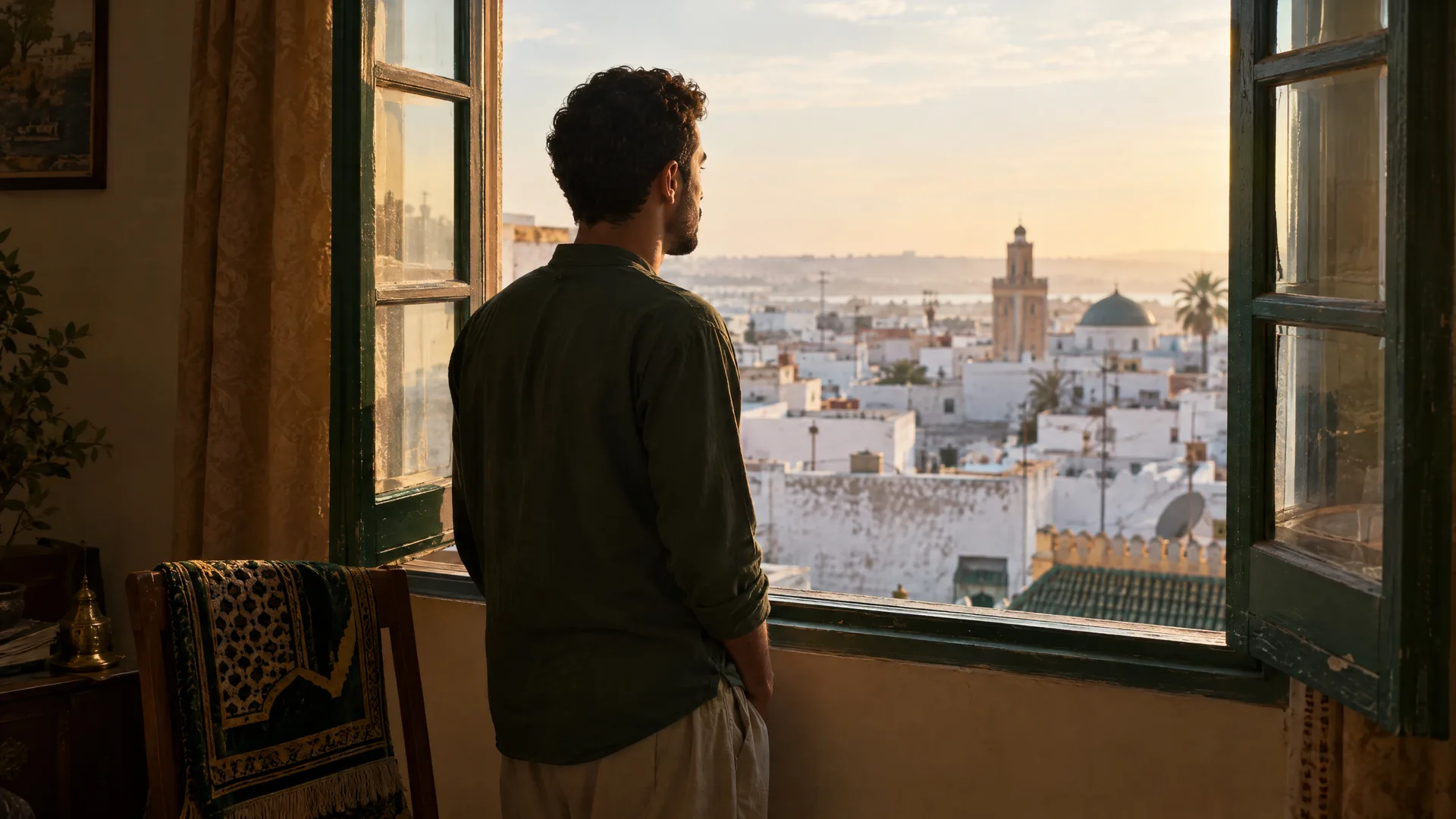
"Am I ready?" That's the silent question that keeps coming back for brothers and sisters of marriageable age. No one ever feels totally ready — that's a human truth. But between feeling "not yet" and actually being unready, there's a difference to bring to light.
Islam gives us concrete markers to avoid confusing fear of commitment with real lack of maturity. In this article, we review three dimensions to examine before the big step: spiritual, emotional, and material.
The goal isn't to tick every box — it's to identify honestly where you stand, so you can move forward consciously. May Allah enlighten you about your own heart, in shaa Allah.
The Qur'anic reminder: why marry?
Before the checklist, the why. Allah says in the Qur'an:
« And among His signs, He created for you spouses from yourselves so that you may find tranquility with them, and He placed between you love and mercy. In that are signs for people who reflect. »
— Sourate Ar-Rum, 30:21
Marriage is presented as a source of tranquility (sakina), affection (mawaddah) and mercy (rahmah). If you're ready to offer those three things, you're largely ready to receive them. Marriage requires giving before receiving.
1. Spiritual dimension
Marriage in Islam is an act of worship, not only a social transaction. Before committing, ask yourself:
- Are my five salat regular, even imperfectly?
- Is my intention (niyyah) clear: am I seeking marriage for Allah, not for family pressure?
- Am I ready to support my spouse in their practice, and to receive their reminders?
- Do I have a basic understanding of the pillars of nikah (consent, wali, witnesses, mahr)?
If you answer "not yet" to several questions, it's not a blocker — it's a project. Get started: a regular meeting with an imam, a fiqh book on marriage, a stabilized practice. A few months of investment will prepare you better than a year of passive waiting.
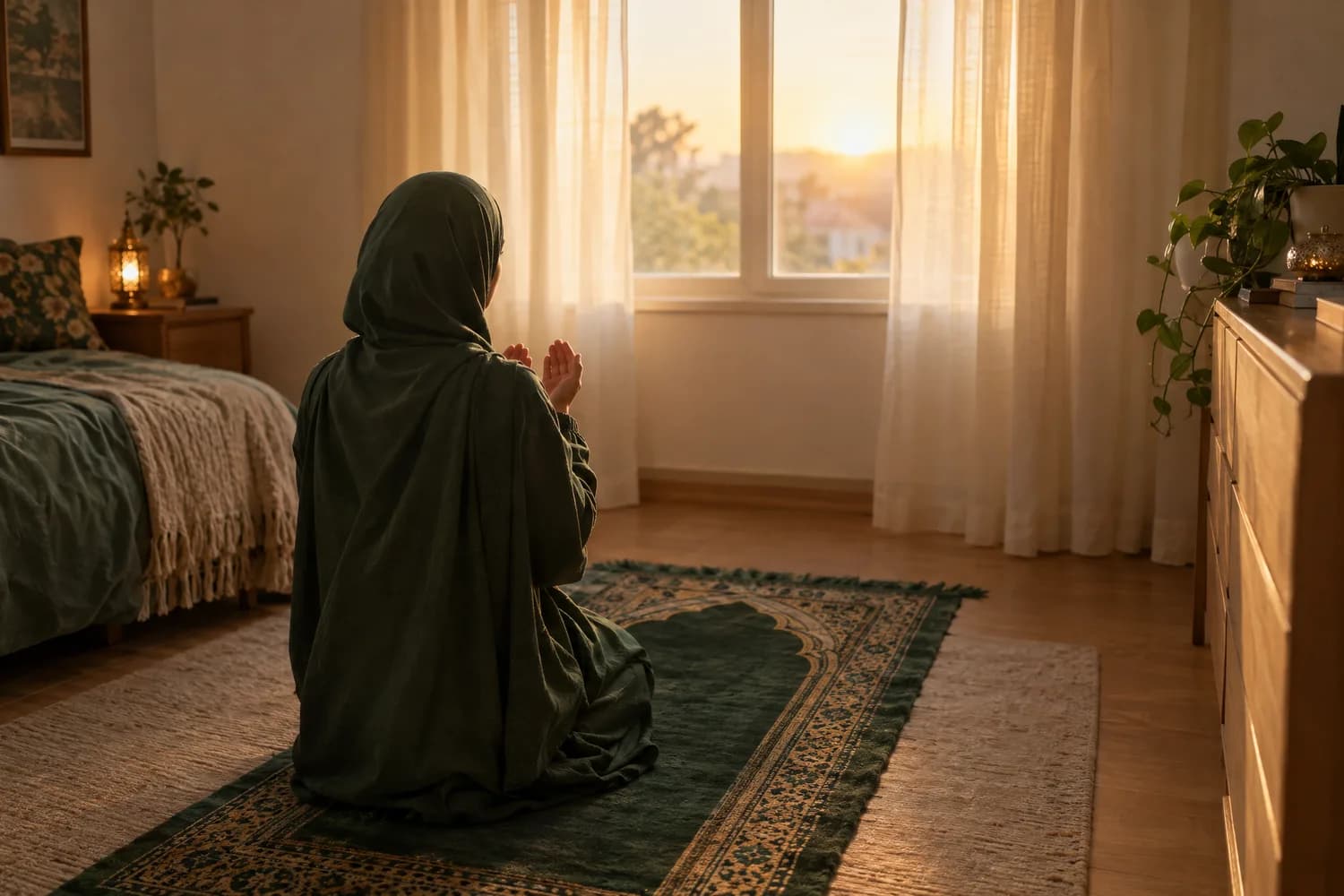
2. Emotional dimension
Marriage exposes your heart. Unhealed wounds from the past resurface. Solitary habits clash with another person's daily life. A few signals to observe:
- Can you hold a difficult conversation without escalation?
- Have you identified your emotional triggers and worked on them?
- Are you able to ask for forgiveness and to grant it sincerely?
- Can you be alone with yourself without resorting to distraction?
No one is perfectly regulated emotionally. But if you feel a destructive pattern returns in every relationship, address it before marriage. An imam, a Muslim therapist, or simply honest inner work can unlock a lot.
3. Material dimension
You don't need to be rich to marry. The Prophet ﷺ approved an iron ring as mahr for one of his companions. But a minimum material base is required so you don't crush your spouse under financial stress from the first month.
- Do you have a stable income (even modest) or a clear path to stability?
- Can you finance a mahr (without extravagance) and a simple walima?
- Have you reflected internally on your relationship with money (savings, debts, spending)?
- Do you have an idea of the concrete home (rental, city, share of expenses)?
If your material situation is precarious, be transparent with your potential spouse from the start. Many marriages survive poverty when both consent to it. No marriage survives financial dishonesty.

The trap of the perfect wait
Some postpone indefinitely waiting for "the perfect moment": peak career, ideal savings, full maturity. That moment never comes. Life keeps moving, and chastity becomes an exhausting battle. The Prophet ﷺ said: "When a man whose religion and character pleases you comes to ask in marriage, marry him to her" (Sunan At-Tirmidhi 1084). The invitation is to act, not to wait.
Being ready means having enough foundation to start — not everything. The rest is built together, in shaa Allah.
And after this checklist?
If you check most boxes, go forward. If several remain empty, identify precisely which ones, and put in place a 3- to 6-month plan to address them. Above all, don't stay alone with this discernment: involve your family, an imam, or a trusted mentor. And do istikhara — the prayer for guidance — over concrete choices that present themselves.
If you're seeking a spouse within the halal, Barakameet is built for that.