Long-distance marriage in Islam (diaspora)
May 26, 2026 · Barakameet
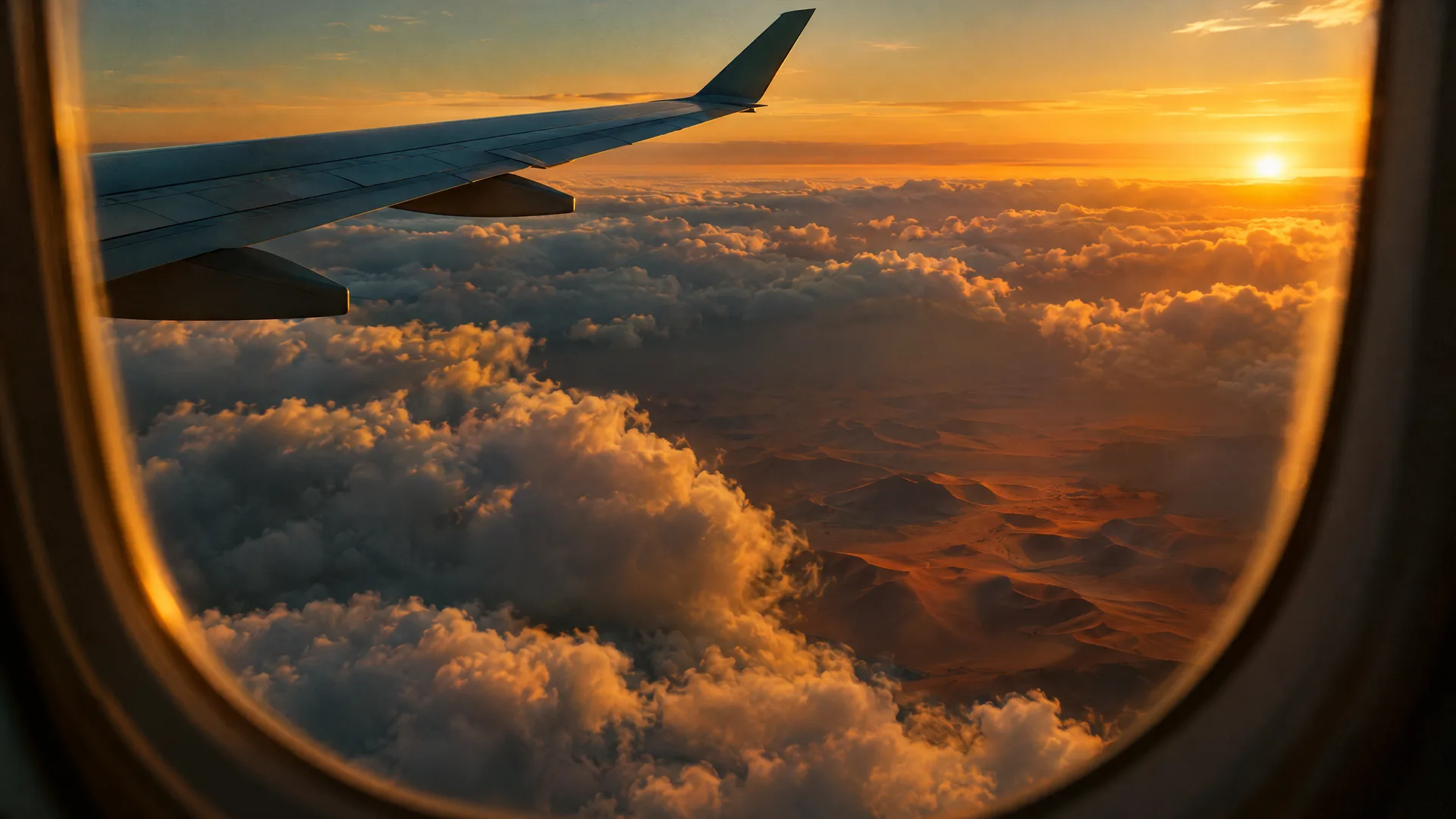
The global Muslim diaspora knows a particular reality: a growing number of marriages are built between two people living in different countries. A sister in Paris meets a brother in Dakar. A brother settled in Toronto connects with a sister in Abidjan. The world has shrunk thanks to technology, but the principles of halal marriage remain the same.
In this article, we explore the spiritual and practical stakes of long-distance marriage in Islam. How do you truly get to know each other when you don't cross paths physically? What role for the wali? How do you take the step of the family meeting? And how do you avoid the pitfalls specific to this configuration?
Allah says in the Qur'an: "O mankind! We created you from a male and a female and made you into nations and tribes so that you may know one another" (Sura Al-Hujurat, 49:13). The diaspora is one of the modern expressions of this verse. May Allah ease these blessed meetings, in shaa Allah.
Why the diaspora turns to cross-border marriage
Three main reasons explain this growing phenomenon in the Muslim diaspora:
- Cultural anchoring: finding a spouse who shares the mother tongue, food, family references — it matters when you live far from the homeland.
- Local scarcity: in some Western cities, meeting an aligned practicing Muslim spouse has become difficult.
- Technological connection: Barakameet and other platforms make halal meetings possible despite distance, where the local mosque can no longer do it all.
None of these reasons conflict with Islam. The sunna never limited marriage to a single village or single circle. The Prophet ﷺ himself married his daughter to a man whose family wasn't from the immediate clan. What matters: dîn, character, compatibility.

Challenge number one: truly getting to know each other
The screen filters enormously. A person can seem wonderful on WhatsApp and turn out very different in daily life. To reduce this risk:
- Vary the communication channels: voice calls, video calls, group conversations with family present.
- Observe over time: three weeks reveal what one day hides.
- Ask concrete questions: how do you handle conflict? What does your typical day look like? How do you spend money?
- Ask for references: friends, former colleagues, local community imam.
The goal is to cross several angles to validate a perception. A single source of information in a long-distance journey is never enough.
The decisive role of the wali
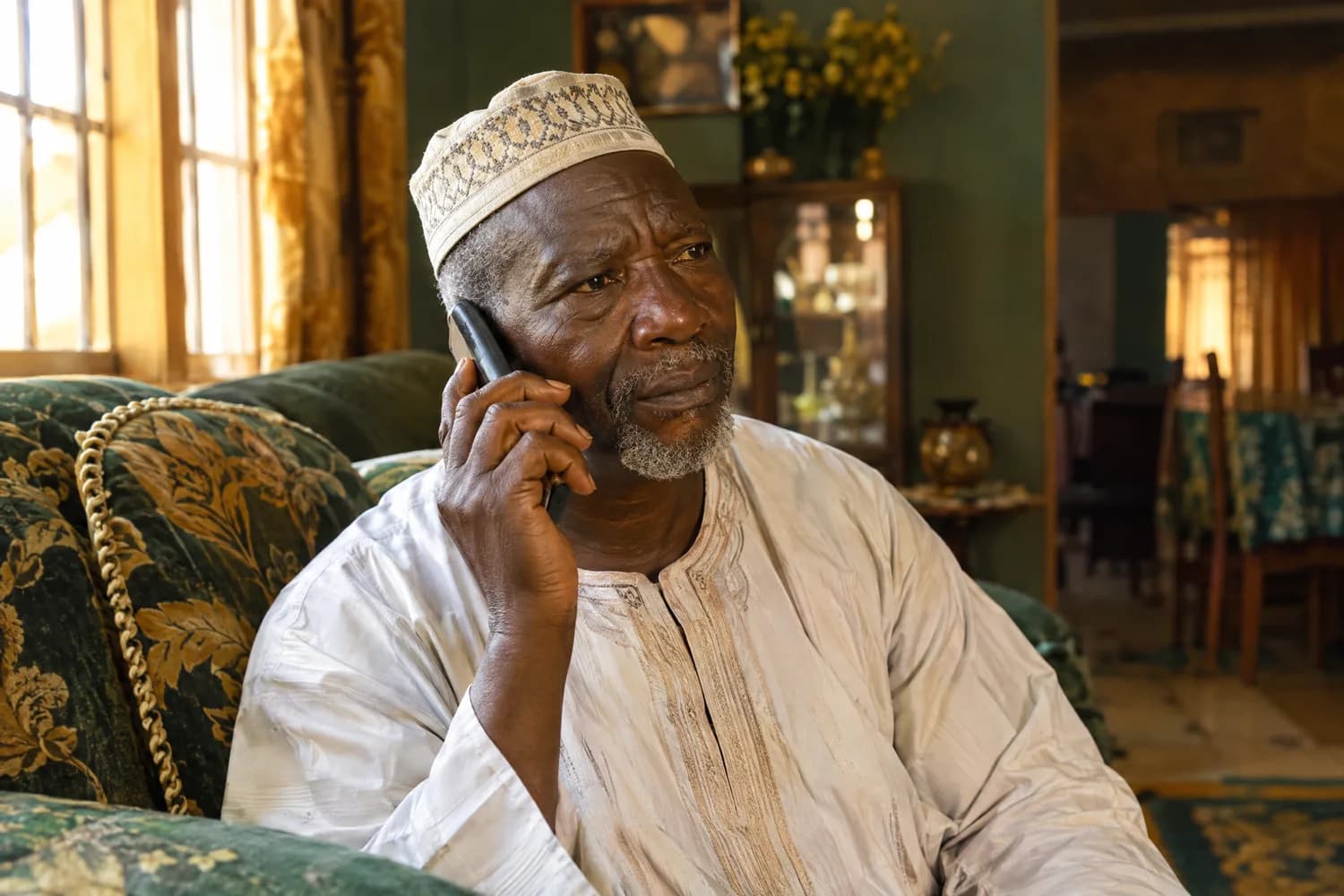
In a long-distance marriage, the wali becomes a central actor. He is the eye of the family where the sister is not. He verifies, meets, questions, validates. His presence in the exchanges is even more precious than in a local marriage.
If you're a sister in the diaspora talking with a brother back home, make sure your wali (father, brother, uncle or local mosque imam) is informed from the start. If possible, he meets the brother and his family before the conversation becomes serious.
To understand in detail how the wali works, read our complete guide on the role of the wali in Islam — it's essential reading before any long-distance commitment.
Pitfalls specific to distance
Four main pitfalls to know before moving forward:
- Idealization: without physical presence, you project your desires onto the other. Crossing several angles avoids this trap.
- Migration calculation: some profiles seek a visa more than a marriage. Heightened vigilance, verification of seriousness.
- Underestimated cultural gap: diaspora attachment to roots can mask a mentality gap with life in the home country.
- Rushed commitment: distance sometimes pushes to conclude too fast, fearing the other will drift away. Patience remains the rule.
The family meeting step
Before the nikah, a physical meeting between families is strongly recommended. It's the moment of truth when screens fall and you see the person in their real ecosystem. Some possible modalities:
- The brother travels to the sister's country (most traditional) with introduction to the extended family.
- The wali travels to the suitor's country for a direct evaluation.
- A meeting in a neutral third country when visas pose a problem.
This step costs time and money, but it prevents far more costly mistakes. Better to invest three months and a plane ticket than to commit a life to assumptions.
The strength of the cultural bridge
Cross-border marriage carries a particular beauty: it links two worlds. The diaspora brings international exposure, the home country brings deep roots. Well balanced, this marriage becomes a real asset for the couple, their children, and both families.
To go further, read our page dedicated to the Muslim diaspora and halal marriage — you'll find concrete testimonials and practical modalities.
If you're seeking a spouse within the halal, Barakameet is built for that.