The mahr (dowry): everything you need to know
May 30, 2026 · Barakameet
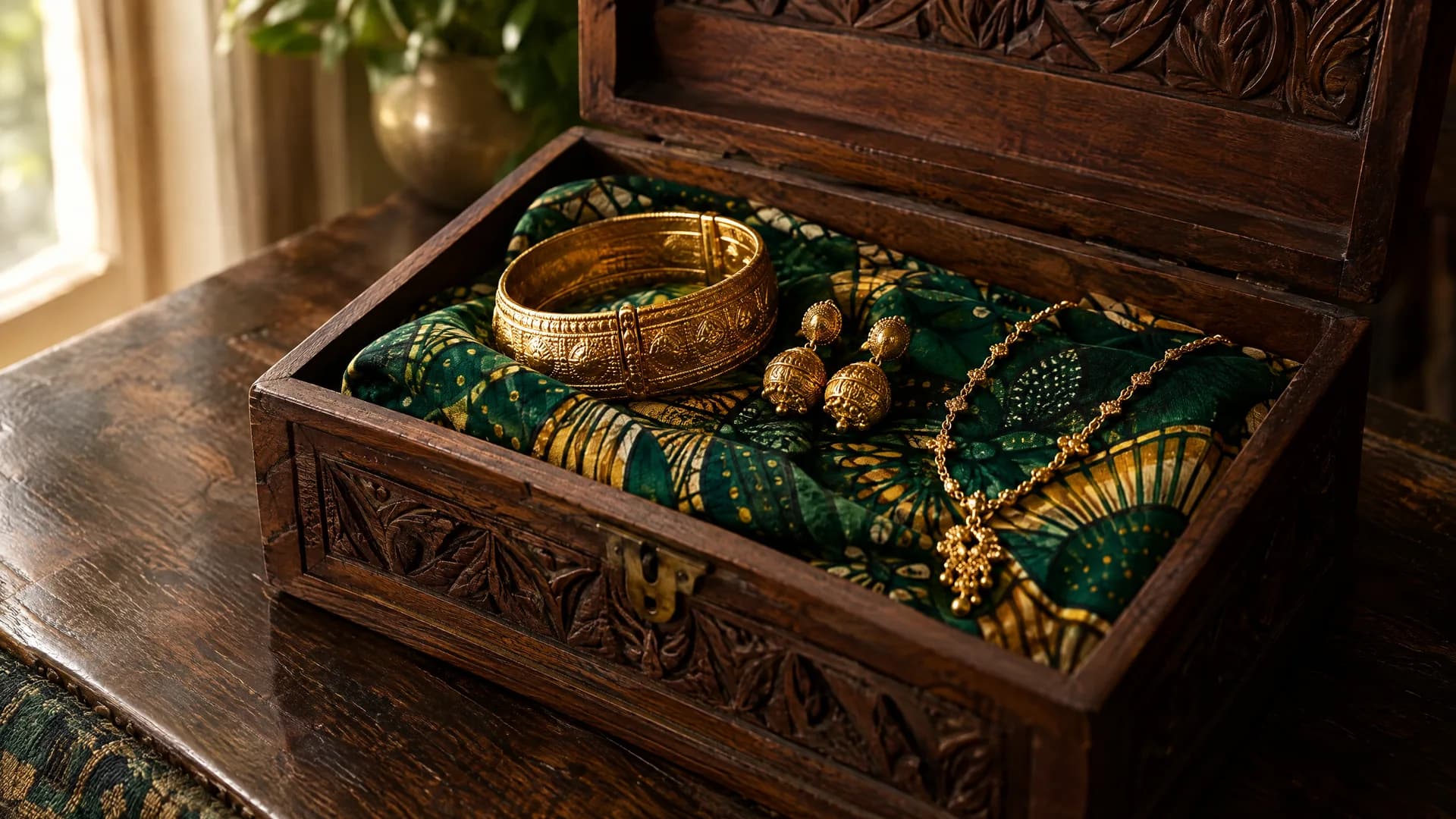
The mahr is one of the most misunderstood topics in Muslim marriage. Some think it's the price of the woman. Others confuse it with the African customary dowry. Still others give it a disproportionate importance that ruins families before the walima even happens.
In this article, we set the record straight. We explain what the mahr really is in Islam, its spiritual meaning, its amount, and the critical distinction from local African customs.
The goal: that you can address this question with your future spouse and your families, knowingly, without haste or unnecessary debt. Marriage begins with baraka — and baraka begins with sobriety, in shaa Allah.
What exactly is the mahr?
The mahr is the obligatory gift that the husband offers to his wife at the time of marriage. Not to her family — to her. It's a right that belongs to her personally, which she can use as she sees fit.
Allah says in the Qur'an:
« And give the women their dowries with good grace. If they remit any part of it to you freely, then enjoy it with ease and good cheer. »
— Sourate An-Nisa, 4:4
Three important things in this verse: the mahr is owed (obligatory), it's given "with good grace" (without constraint or hesitation), and the woman can voluntarily remit part of it (but it's her free choice).
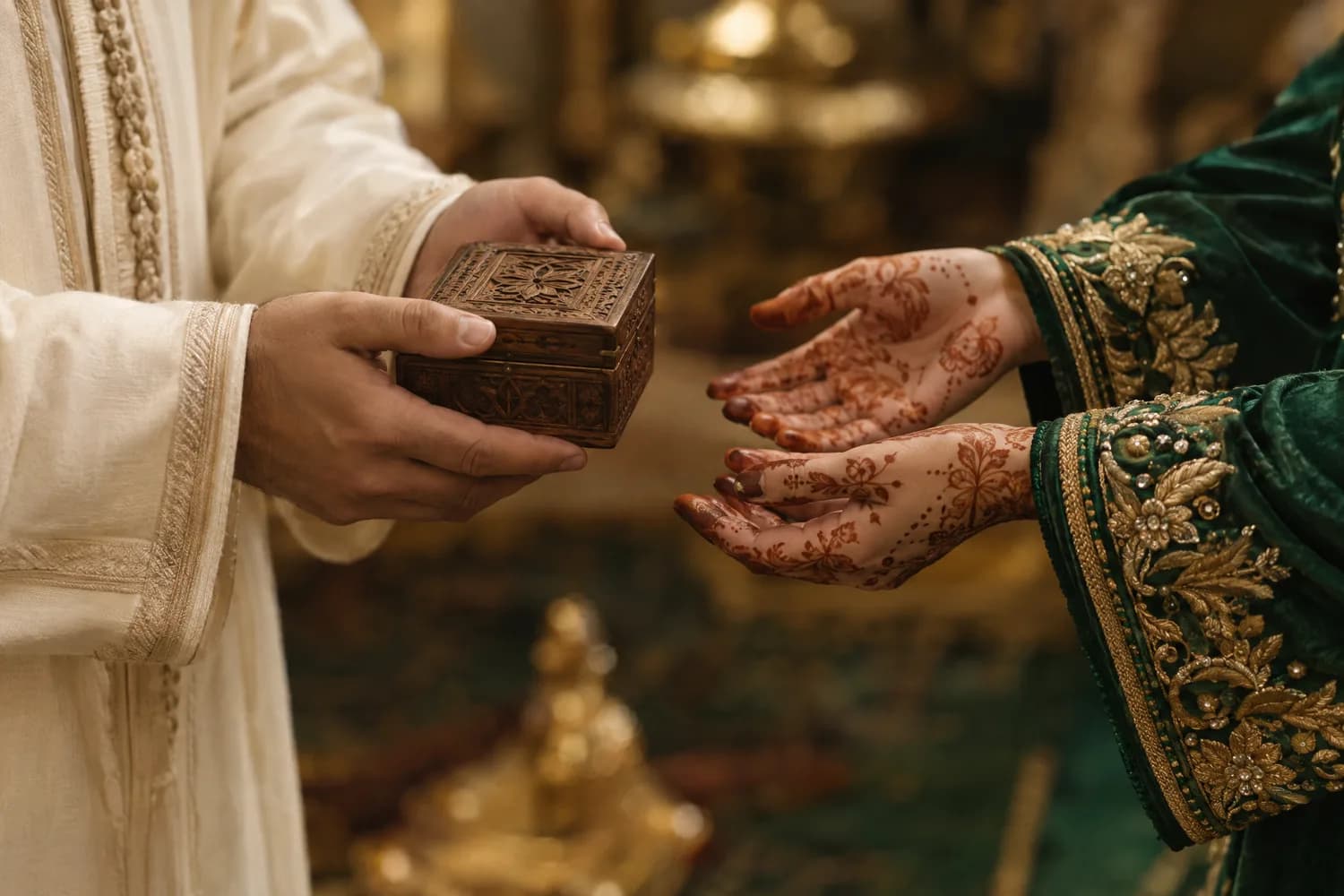
The spiritual meaning
The mahr is not a price. It's not a purchase. It's a strong symbolic gesture: the brother performs a concrete act to signal the seriousness of his commitment. He places something of value to him in the hands of the one who becomes his wife.
Three spiritual dimensions to remember:
- Honor — the sister receives a gift marking her unique value in the eyes of the husband.
- Seriousness — giving requires effort, sacrifice, even modest. It's a test of commitment.
- Freedom — the mahr belongs exclusively to the sister; she can do what she wants with it, including returning it if she wishes.
What amount for the mahr?
This is probably the most asked question — and the answer will surprise some. There is no minimum amount imposed by the shari'a. None. The most famous hadith on the subject confirms this:
« Look [for a mahr], even if it's just an iron ring. »
— Sahih al-Bukhari 5135
The Prophet ﷺ said this to a companion who had nothing to offer. An iron ring — symbol of the most extreme sobriety — was acceptable. The logic is clear: the mahr must exist (it's a pillar of the nikah), but its amount isn't a measure of the marriage's value.
In practice, you can agree on a modest but meaningful mahr: a symbolic sum in local currency, a quality Qur'an, a simple ring, or any other good both parties accept. The good marker: neither trivial enough to humiliate, nor excessive enough to ruin. The sunna recommends moderation.
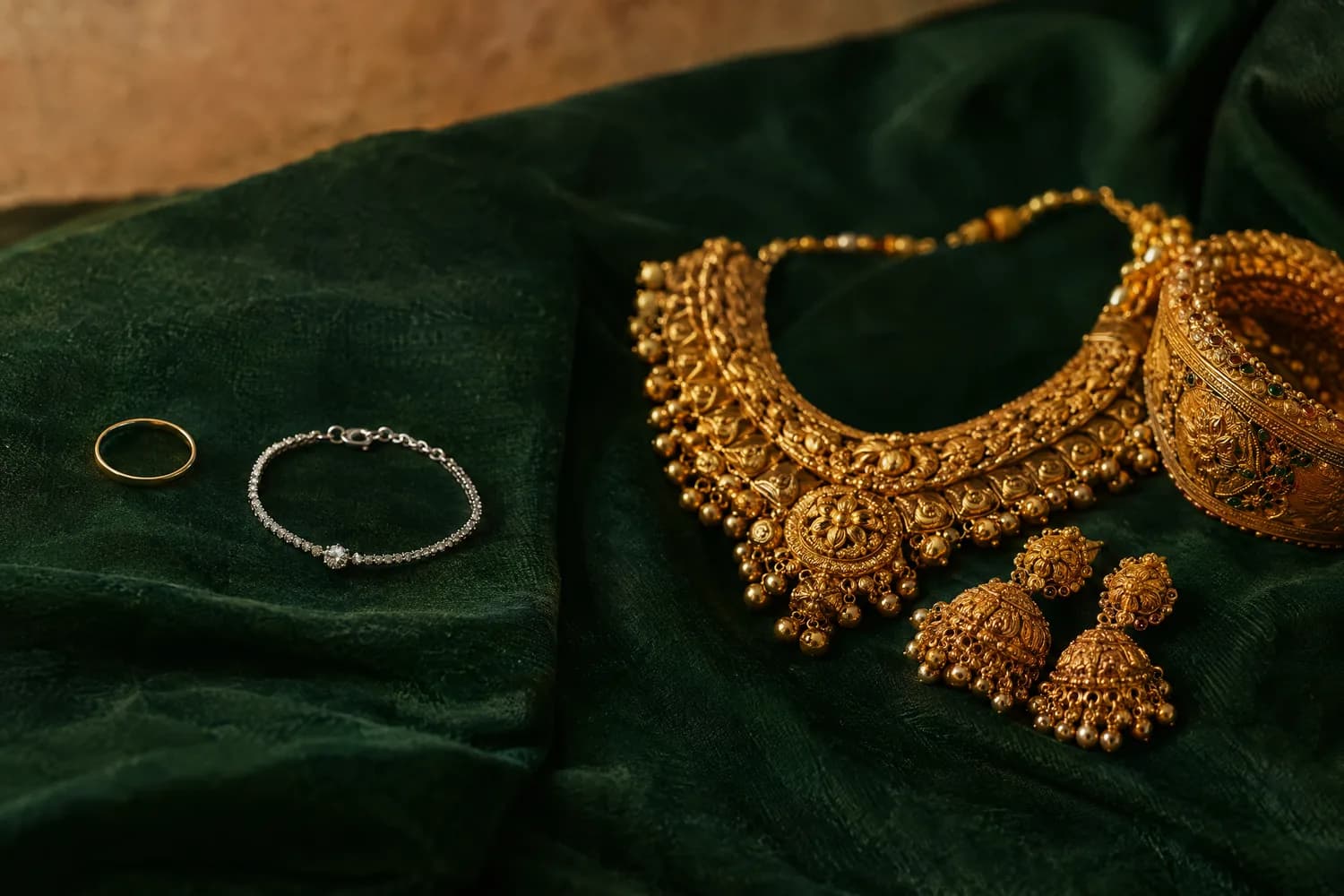
Islamic mahr VS African customary dowry
This is where much confusion sets in in Africa. The two notions coexist but they are NOT the same thing:
- The Islamic mahr goes to the sister, not her family. It's obligatory for the validity of the nikah. The amount is free, the sunna recommends moderation.
- The African customary dowry is paid to the sister's family. It can include sums, animals, goods, gifts for elders. It's a local tradition, not an Islamic obligation.
The customary dowry isn't haram in itself — it's a custom one can respect out of family deference. But it becomes problematic when it overshadows the religious mahr, when it becomes excessive to the point of blocking marriages, or when it takes priority over the sister's right.
Practical recommendation: make a CLEAR distinction with your in-laws starting from the khotba. List the religious mahr (sum going to the sister) and, if you accept, the customary dowry (going to the family). Agree on the two amounts separately. Transparency avoids lasting conflicts.
What happens in case of divorce?
The mahr stays with the sister. Unless it's the sister who requests the divorce on her side (khul'), in which case she may have to return the mahr depending on the context and the decision of the imam or judge.
If the marriage hasn't been consummated and it's the husband who divorces, the sister keeps half the mahr (Sura Al-Baqarah, 2:237). If the marriage has been consummated, she keeps the entire mahr no matter what.

Five mistakes to avoid
- Confusing mahr and customary dowry — always make the distinction explicitly.
- Considering the mahr as a purchase — it's a gift of honor, not a transaction.
- Going into debt to offer an ostentatious mahr — the sunna recommends sobriety.
- Ignoring the sister's wish on the amount — it's HER right, her view prevails.
- Deferring the mahr indefinitely — it's due at the time of the nikah, unless explicit documented agreement.
The essential to remember
The mahr is obligatory, free in its amount, exclusive property of the sister. The sunna recommends moderation. Don't confuse it with the customary dowry, don't turn it into a commercial transaction, and never forget that marriage draws its baraka from sincerity — not from the amount circulating.
To understand the whole journey, read our article on the steps of Muslim marriage in Africa. For the critical role of the wali in the mahr negotiation, see the role of the wali explained simply.
If you're seeking a spouse within the halal, Barakameet is built for that.