The steps of Muslim marriage in Africa
May 28, 2026 · Barakameet
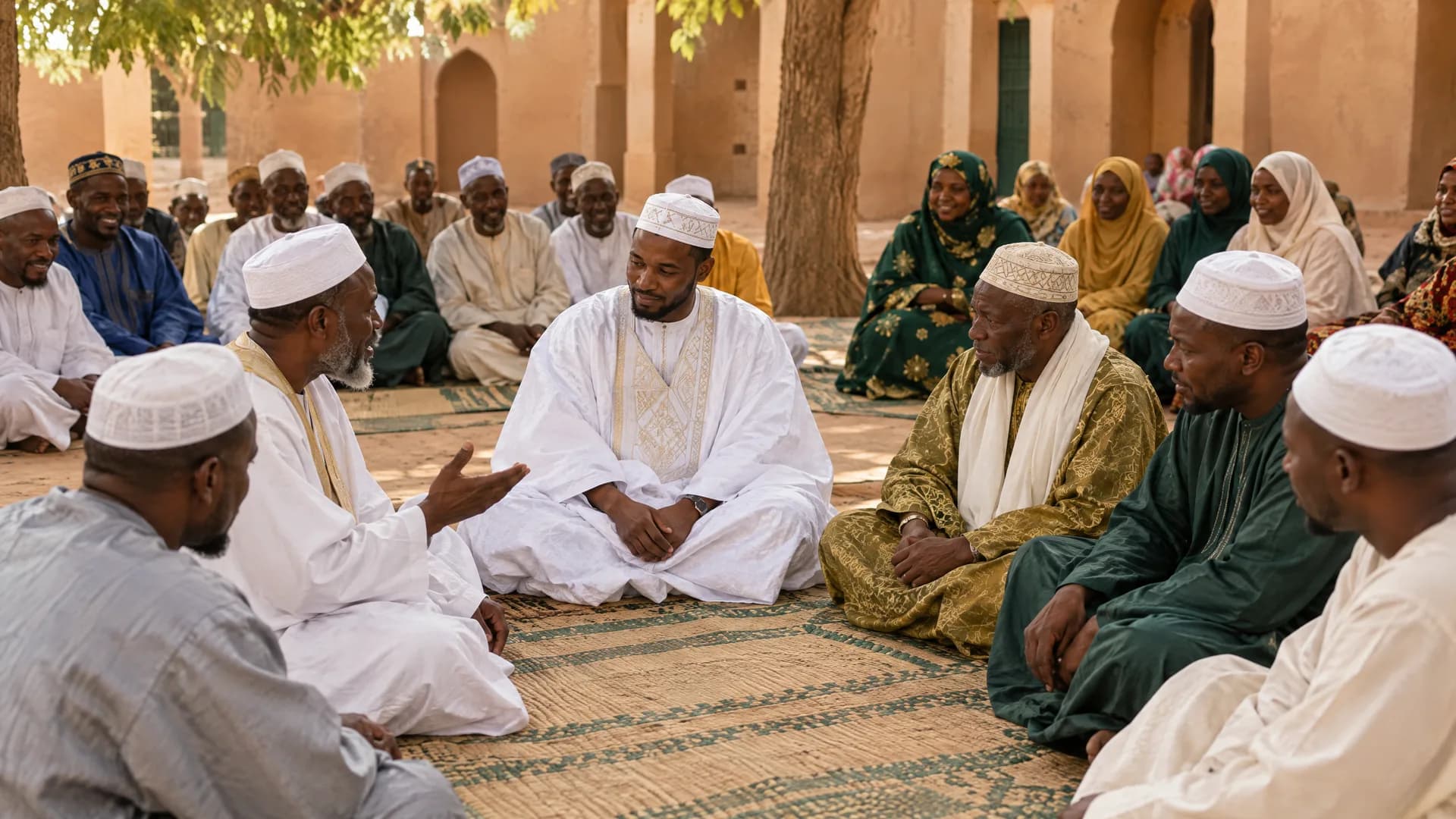
Muslim marriage, in Africa as elsewhere, follows a sequence of well-identified steps in the tradition. But our continent adds local colors: family customs, community stages, celebrations that extend the purely Islamic framework without contradicting it.
In this article, we walk through the essential steps of marriage in Islam — the khotba, the nikah, the mahr, the walima — showing how they connect with African Muslim traditions of Togo, Benin, Ivory Coast, Senegal, Nigeria and Ghana.
Goal: give you a clear map so you don't confuse what's obligatory (the pillars of nikah), what's recommended (the walima), and what's customary (local details). May Allah grant baraka to every step of your journey, in shaa Allah.
Step 1 — The khotba (the proposal)
The khotba is the official marriage proposal. Once the brother and sister have confirmed their mutual interest and the families have been introduced, the brother formally comes to ask the sister's hand from her wali.
In Africa, this step has different names depending on the country: "warango" among some Senegalese communities, "démarche" in several Ivorian communities, "introduction" in Nigeria and Ghana. The essence stays the same everywhere: it's a marriage promise, not the contract yet. Either party can still withdraw if needed.
Note: publicly proposing to a sister already engaged with another brother is forbidden. The Prophet ﷺ said no Muslim should propose over his brother's proposal (reported by Sahih al-Bukhari 5142, Sahih Muslim 1412). If you learn a sister is already engaged, wait for the conclusion or official break-off before moving forward.
Step 2 — The mahr (the dowry)
The mahr is the gift the brother offers to the sister. Not to her family — to her. It's a right that belongs to her personally. Allah says:
« And give the women their dowries with good grace. »
— Sourate An-Nisa, 4:4
There's no minimum amount imposed by the shari'a. The best-known hadith mentions that even an iron ring can suffice (Sahih al-Bukhari 5135). The mahr can be modest — what matters is that it's accepted by the sister and given sincerely.
WARNING: in Africa, the Islamic mahr is often confused with the customary dowry. The customary dowry (sums paid to the sister's family, animals, goods) is a local tradition that may be added — but it is not the mahr. The religious mahr goes to the sister; the rest is family custom. Make this distinction clearly with your in-laws to avoid confusion.
Step 3 — The nikah (the marriage contract)
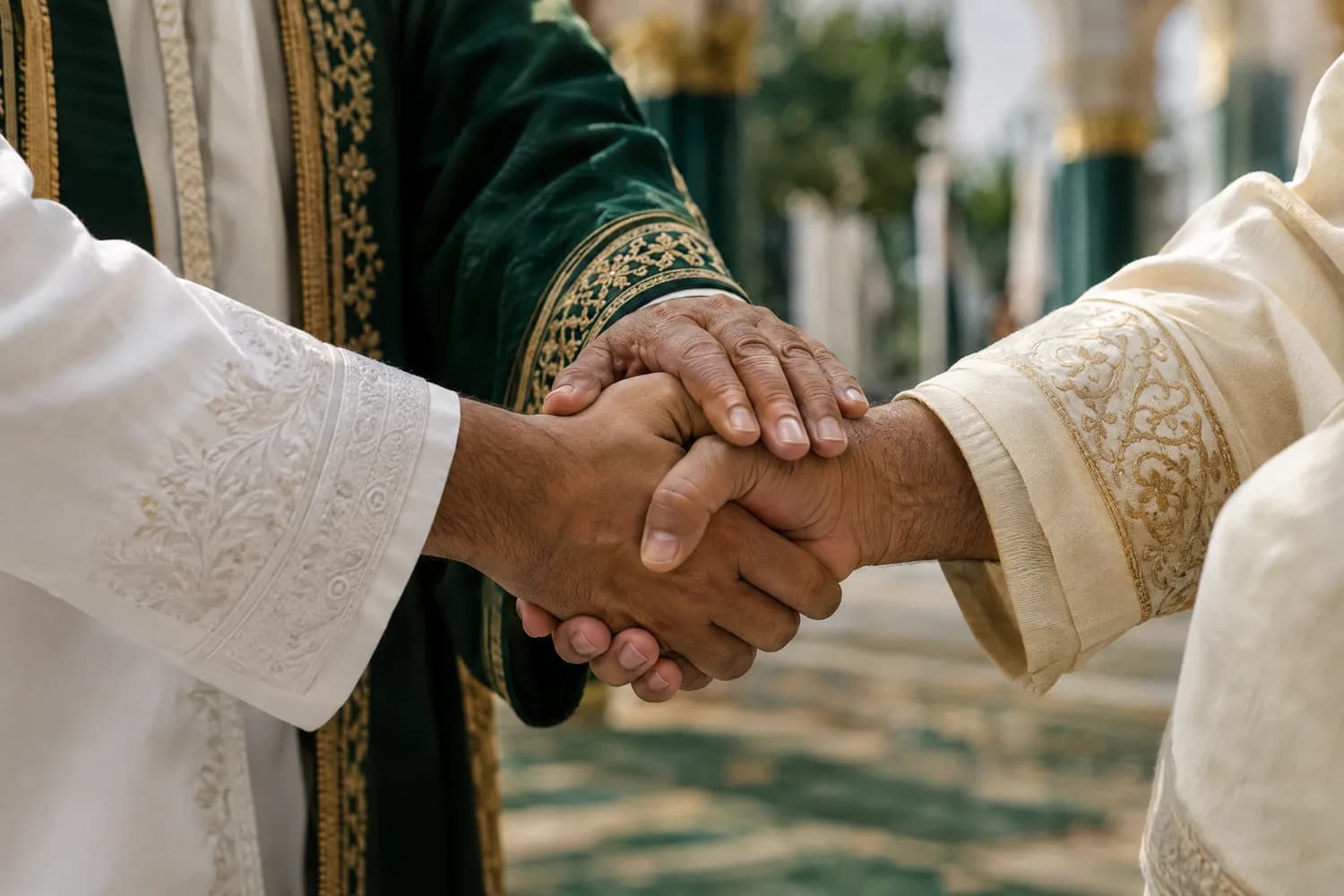
The nikah is the religious contract itself. This is when the union becomes official in the sight of Allah. Five pillars must be met:
- The free consent of the brother and the sister.
- The sister's wali, present or represented by delegation.
- Two trustworthy Muslim witnesses.
- The mahr, defined and accepted.
- The ijab and the qabul — the offer pronounced by the wali and the acceptance pronounced by the brother.
If one of these pillars is missing, the marriage is not Islamically valid. No party, no dance, no civil signature replaces the nikah. It's the central moment — everything else is celebration around it.
Step 4 — The walima (the celebration)
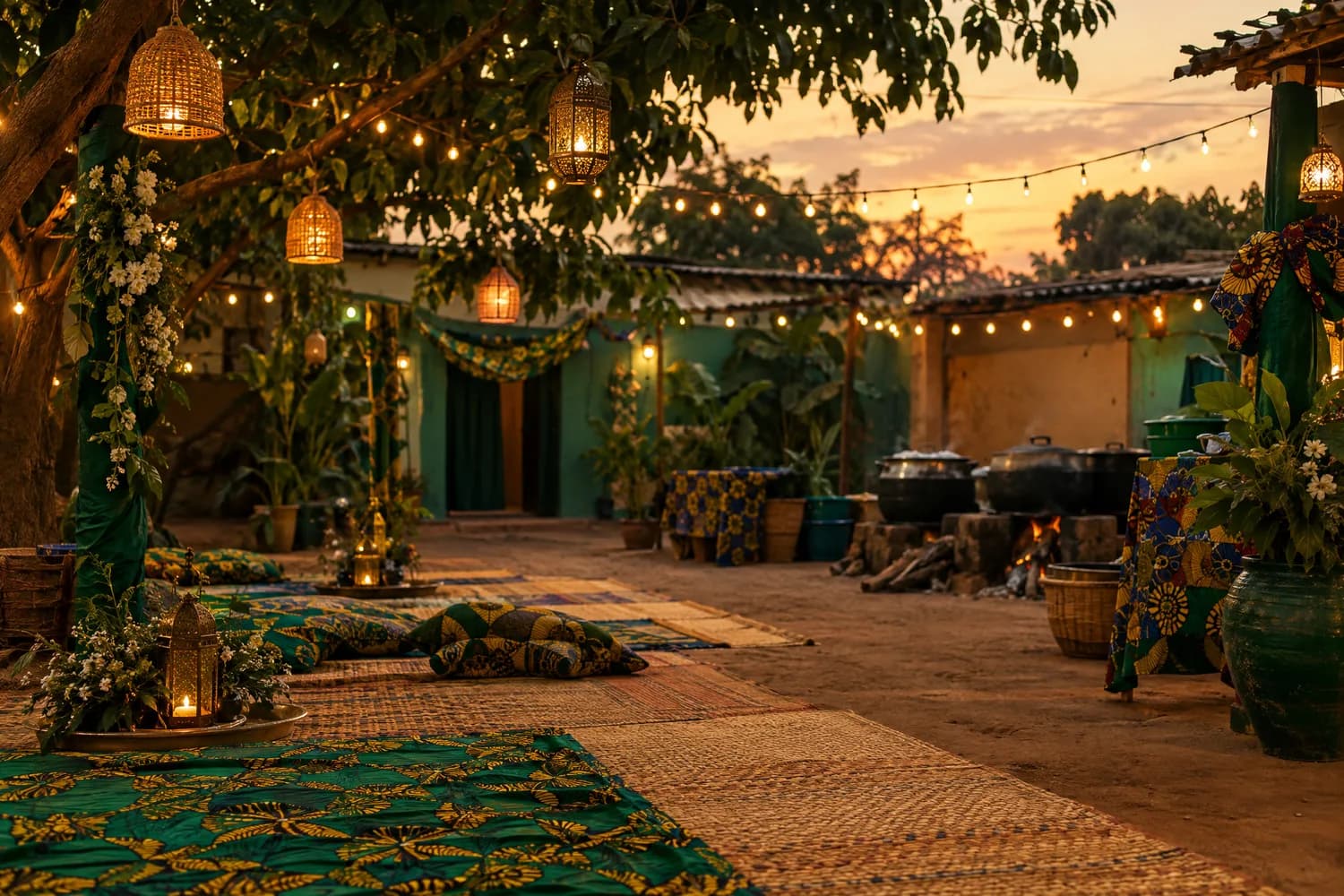
After the nikah comes the walima: the wedding banquet that makes the union public within the community. It's a sunna strongly recommended by the Prophet ﷺ. He said to one of his companions who had just married:
« Hold the walima, even with just a sheep. »
— Sahih al-Bukhari 5167 · Sahih Muslim 1427
The walima's spirit is simplicity and sharing, not extravagance. Inviting close ones, feeding with what one has, sharing joy — that's it. In Africa, this is often extended with family rituals (henna, introduction to elders, dance) which are permissible as long as they stay within the halal framework: no unregulated mixing, no haram music, no waste.
Important: the Prophet ﷺ also recommended making marriage public, unlike hidden relationships. "Announce the marriage" is a principle (Sunan At-Tirmidhi 1089). A modest walima is very often more blessed than a ruinous party that indebts families for years.
Local specifics in West Africa
A few useful local particularities to know:
- Senegal — often great importance placed on the link with ancestors and brotherhoods (Tijaniyya, Mouridiyya). The walima can extend over several days.
- Ivory Coast and Burkina Faso — strong tradition of the family "démarche" in several steps before the official nikah.
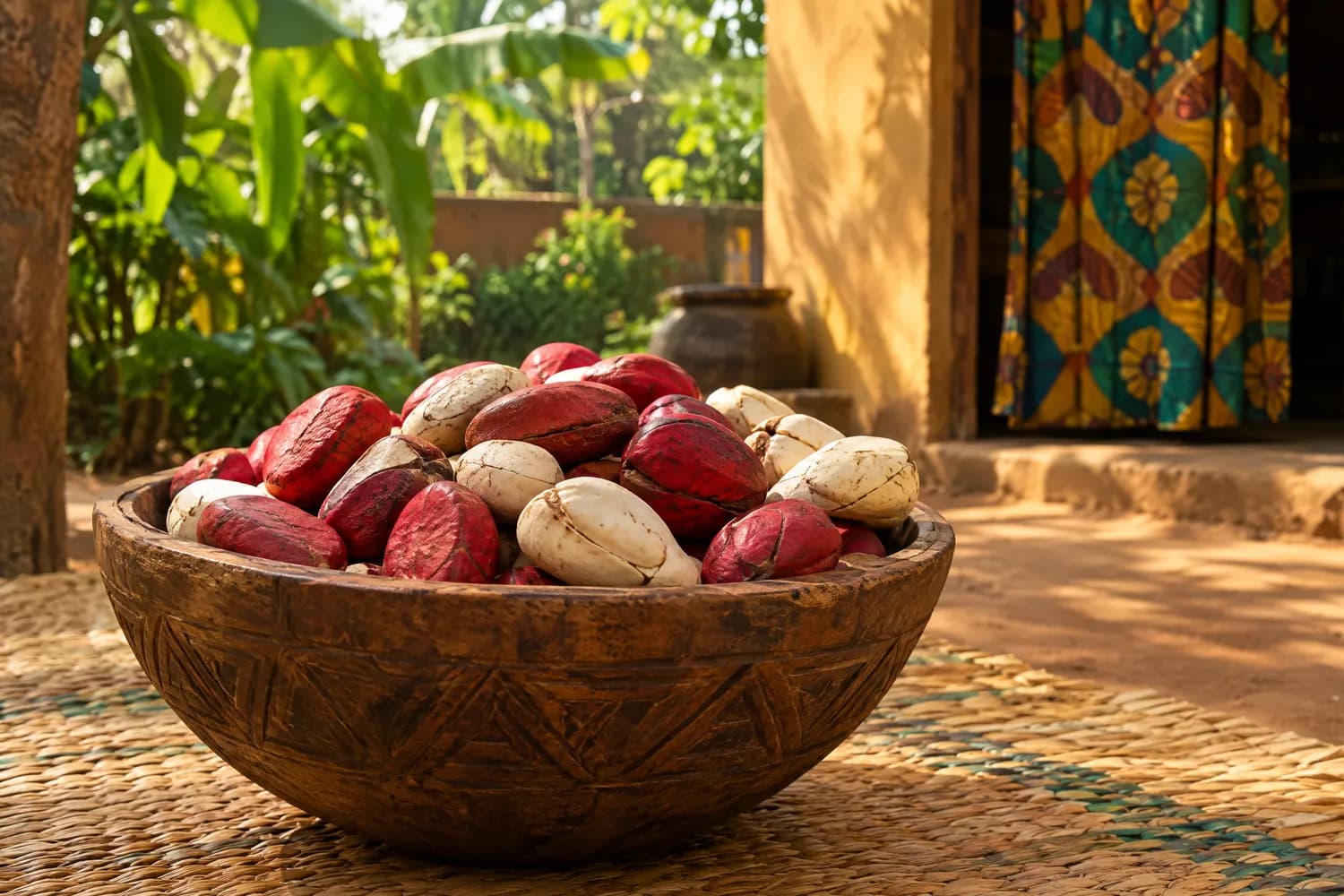
- Togo and Benin — the kola nut still plays a symbolic role in the khotba in some northern regions.
- Nigeria — clear distinction between nikah and reception (party). The nikah happens at the mosque, the party comes after. Mahr typically modest, following the sunna.
- Ghana — urban Muslim communities with walima organized in community halls separated men/women.
None of these customs is Islamically obligatory. As long as they respect the pillars of the nikah and don't contradict halal principles (no unregulated mixing, no ruinous extravagance), they are permissible and can enrich the celebration.
And the civil marriage?
Religiously, the nikah suffices. But in practice, civil marriage remains strongly recommended to benefit from the country's legal rights (inheritance, custody of children, social security, administrative status of spouses in case of international mobility). The majority of contemporary scholars recommend both in parallel, to protect the rights of the couple and future children.
For a structured overview of the whole journey, read our complete guide on how to marry in Islam. To deeply understand the mahr, see our dedicated article on the mahr (dowry).
If you're seeking a spouse within the halal, Barakameet is built for that.